
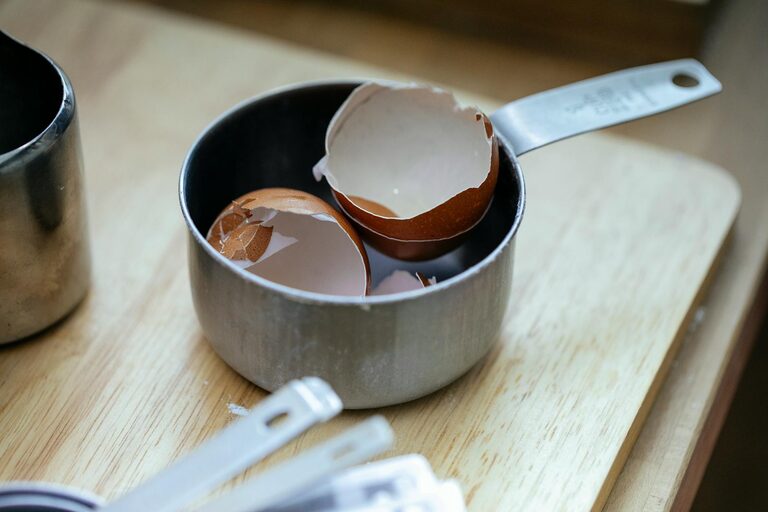
Reducing food waste at home is an easy and impactful way to save money and help the environment. Every year, a significant portion of food produced ends up in the trash, contributing to landfill overflow and unnecessary greenhouse gas emissions. Fortunately, small changes in how we shop, store, and use food can make a big difference. This post will guide you through simple and effective strategies to reduce food waste in your household.
Why Reducing Food Waste Matters
Food waste not only means wasted money but also wasted resources such as water, energy, and labor used to grow, transport, and package food. When food decomposes in landfills, it releases methane, a potent greenhouse gas. By cutting down on food waste, you are also reducing your household’s environmental impact.
Plan Your Meals Ahead
One of the most successful ways to reduce food waste is to plan meals before shopping.
– Make a Shopping List: Check your pantry and fridge to see what you already have, then create a list based on planned meals.
– Shop with a Purpose: Stick to your list to avoid impulse buys that might spoil before use.
– Portion Control: Plan meals that use ingredients fully and buy quantities you can realistically consume.
Smart Food Storage
Proper storage keeps food fresh longer and reduces spoilage.
– Use Airtight Containers: Store leftovers and perishables in airtight containers to maintain freshness.
– Know Your Fridge Zones: Keep sensitive foods in the coldest parts of the fridge and use the crisper drawers for fruits and vegetables.
– Freeze Excess Food: Freeze bread, fruits, vegetables, and cooked meals before they spoil for later use.
Understand Expiration Labels
Many people toss food when the “best before” or “use by” dates pass, but these labels can be confusing.
– Best Before: Indicates peak quality, not necessarily safety. Food may still be fine shortly after this date.
– Use By: Refers to safety; foods should not be consumed after this date.
– Trust Your Senses: Look, smell, and taste food (if safe to do so) before discarding.
Use Leftovers Creatively
Don’t let leftovers go to waste. They can form the base of new meals.
– Repurpose Ingredients: Turn leftover vegetables into soups or stir-fries.
– Mix and Match: Combine leftover grains, proteins, and veggies for bowls or wraps.
– Freeze for Later: Store leftovers in single servings for quick meals on busy days.
Compost Food Scraps
Even with careful planning, some waste is unavoidable. Composting is a great way to recycle food scraps.
– Set Up a Compost Bin: Use kitchen scraps like fruit peels, vegetable trimmings, and coffee grounds.
– Avoid Meat and Dairy: These can attract pests and increase odors in compost.
– Use Compost in Your Garden: It enriches the soil and reduces the need for chemical fertilizers.
Buy "Ugly" Produce
Imperfect fruits and vegetables are often discarded despite being perfectly edible.
– Support Local Markets: They often sell “ugly” produce at discounts.
– Be Open-Minded: Use these in cooked dishes, smoothies, or soups where appearance is less important.
Educate the Whole Household
Reducing food waste is easier when everyone understands its importance.
– Share Tips and Goals: Discuss waste reduction strategies with family members.
– Encourage Involvement: Let kids help with meal planning, shopping, and cooking.
– Track Your Progress: Keep a waste diary or take photos to monitor improvements.
Use Technology to Your Advantage
There are many apps and tools designed to help reduce food waste.
– Inventory Apps: Track pantry and fridge contents to avoid buying duplicates.
– Meal Planning Apps: Create shopping lists and recipes based on what you have.
– Expiration Trackers: Get reminders before food goes bad.
Final Thoughts
Reducing food waste at home is a simple yet powerful way to make a difference. By planning meals wisely, storing food properly, using leftovers creatively, and composting scraps, you save money and contribute to a healthier planet. Start with a few changes today and watch how these habits transform your kitchen into a model of sustainability.