
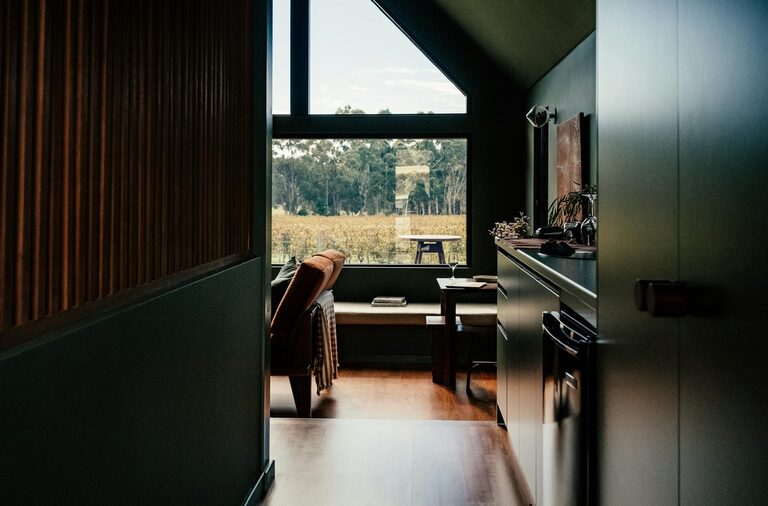
A dark room can feel cramped, gloomy, and uninviting. Yet, transforming a dim space into a bright, cheerful area doesn’t have to be complicated or expensive. Whether it’s a bedroom, living room, or office, there are several quick ideas that can instantly make your room feel more open and illuminated. In this post, we’ll explore practical strategies ranging from lighting adjustments to clever decoration tips that help brighten any dark room.
Understanding Why Your Room Feels Dark
Before diving into solutions, it’s helpful to know why a room feels dark. Common reasons include:
– Limited natural light due to small or shaded windows
– Dark-colored walls or furniture that absorb light
– Heavy curtains blocking sunlight
– Insufficient or poorly placed artificial lighting
Once you identify the causes, you can choose the best ideas to brighten your space effectively.
Maximize Natural Light
1. Use Sheer Curtains or No Curtains
Heavy or dark curtains can block much of the natural light entering your room. Replace them with sheer or light-colored curtains to diffuse sunlight gently without sacrificing privacy. If privacy is not an issue, consider removing curtains entirely to allow maximum light in.
2. Keep Windows Clean
This may sound obvious, but cleaning windows regularly can significantly increase the amount of daylight entering the room. Dust and grime can dull the natural brightness.
3. Use Mirrors Strategically
Placing mirrors opposite or adjacent to windows reflects natural light around the room, making the space feel more open and airy. Opt for large mirrors to maximize this effect.
Choose Light and Bright Colors
4. Paint Walls in Light Shades
Walls absorb or reflect a lot of light. Using light colors such as whites, creams, pastels, or soft grays helps reflect more light, brightening the room naturally. Matte or eggshell finishes reduce glare while still reflecting light well.
5. Brighten Your Ceiling and Trim
Don’t forget ceilings and trim; painting these a bright white or a light shade can enhance room brightness by bouncing light downward.
6. Select Light-Colored Furniture and Accessories
Dark furniture absorbs light and can make a space feel heavier. Swap or accessorize with lighter-colored furnishings and décor items to keep the room feeling fresh and bright.
Improve Your Artificial Lighting
7. Layer Your Lighting
Using a combination of ambient, task, and accent lighting ensures a well-lit room that can be adjusted for different needs.
– Ambient lighting: Overhead fixtures like ceiling lights or chandeliers provide general illumination.
– Task lighting: Desk lamps or reading lights focus on specific areas.
– Accent lighting: Wall sconces or LED strips highlight architectural or decorative features.
8. Use Bright, Energy-Efficient Bulbs
Choose bulbs with a high lumen output and a color temperature of 3000K to 4000K for bright, natural light. LED bulbs are energy-efficient and long-lasting.
9. Add Floor and Table Lamps
In corners or areas that remain dark, add floor lamps or table lamps to fill shadows. Adjustable lamp heads allow you to direct light exactly where needed.
10. Consider Light Fixtures with Reflective Elements
Fixtures made from glass, chrome, or crystal can enhance brightness by spreading light effectively around the room.
Utilize Reflective and Bright Décor
11. Add Shiny Accents
Include decorative items like metallic picture frames, glass vases, or reflective trays to bounce light subtly.
12. Use Bright Rugs and Throw Pillows
Colorful and light-toned textiles instantly lift the mood and brightness of a space without overwhelming your overall décor.
13. Choose Artwork with Light Colors
Art featuring bright and uplifting colors can add vibrancy and reflect the room’s light.
Declutter and Optimize Space
14. Keep Surfaces Clear
Clutter can block light and create shadows. Keeping shelves and tables tidy contributes to an open feel.
15. Arrange Furniture to Allow Light Flow
Position taller furniture away from windows and pathways where light travels, preventing blockage.
Final Tips
– Add plants with light-colored foliage to bring freshness and reflect light.
– Use glass or acrylic furniture for a lighter appearance that doesn’t obstruct light.
– Consider removable wallpaper with subtle shimmer or light patterns if painting isn’t an option.
Conclusion
Brightening a dark room is more manageable than it seems. By maximizing natural light, selecting bright colors, improving artificial lighting, and using reflective décor, you can create a space that feels warm, open, and inviting within a short time. Start with a few simple changes and enjoy the difference a well-lit room can make in your daily life.
—
Feel free to experiment with these ideas to suit your style and needs. With a little effort, a previously gloomy room can become your favorite bright retreat!